

.svg)

.svg)


.svg)
.svg)

Independent business travelers represent a significant share of the business travel market, yet they remain under-leveraged by hoteliers. Unlike large accounts managed via TMCs, these profiles book directly, actively compare options, and switch establishments without friction. However, building their loyalty generates a higher ROI: no agency commissions, short decision cycles, and high repeat-purchase potential. This article details how to build a business traveler loyalty strategy tailored to solo profiles, without TMC infrastructure.
Independents account for 30% of business travel but remain ignored
Independents (consultants, entrepreneurs, traveling sales professionals) make up a growing share of business travel. They book directly, often via mobile, and prioritize flexibility and value for money over traditional corporate programs. Their behavior differs radically from corporate travelers: no hierarchical validation, instant decision-making, and sensitivity to immediate benefits (Wi-Fi, breakfast, free cancellation).
The problem: most hotels treat them like leisure guests or try to force them into ill-suited corporate programs. The result: low repeat-purchase rates, dispersion across OTAs, and a lack of actionable data. Yet, a loyal independent traveler generates 4 to 6 stays per year, with no recurring acquisition costs or complex rate negotiations.

Understanding the independent traveler's purchasing motivations
The independent traveler balances three criteria: location (proximity to clients or transport), operational services (high-performance Wi-Fi, workspace, parking), and recognition (no queues, discreet upgrades, simplified billing). They are not looking for a negotiated rate, but a coherent package that reduces their mental load.
Their purchasing decision relies on three moments: research (Google, comparison sites, reviews), booking (mobile-first, fast payment), and the post-stay experience (detailed invoice, usable loyalty points). Unlike leisure travelers, they don't compare 15 hotels: they select 3 and choose the one that reduces risk (flexible cancellation, high rating, quick response).
Loyalty begins before the stay: immediate confirmation, the ability to modify without penalty, and access to practical information (shuttle times, business services). An independent who wastes 20 minutes looking for parking or waiting to check in will not return.
Four loyalty levers tailored to solo profiles
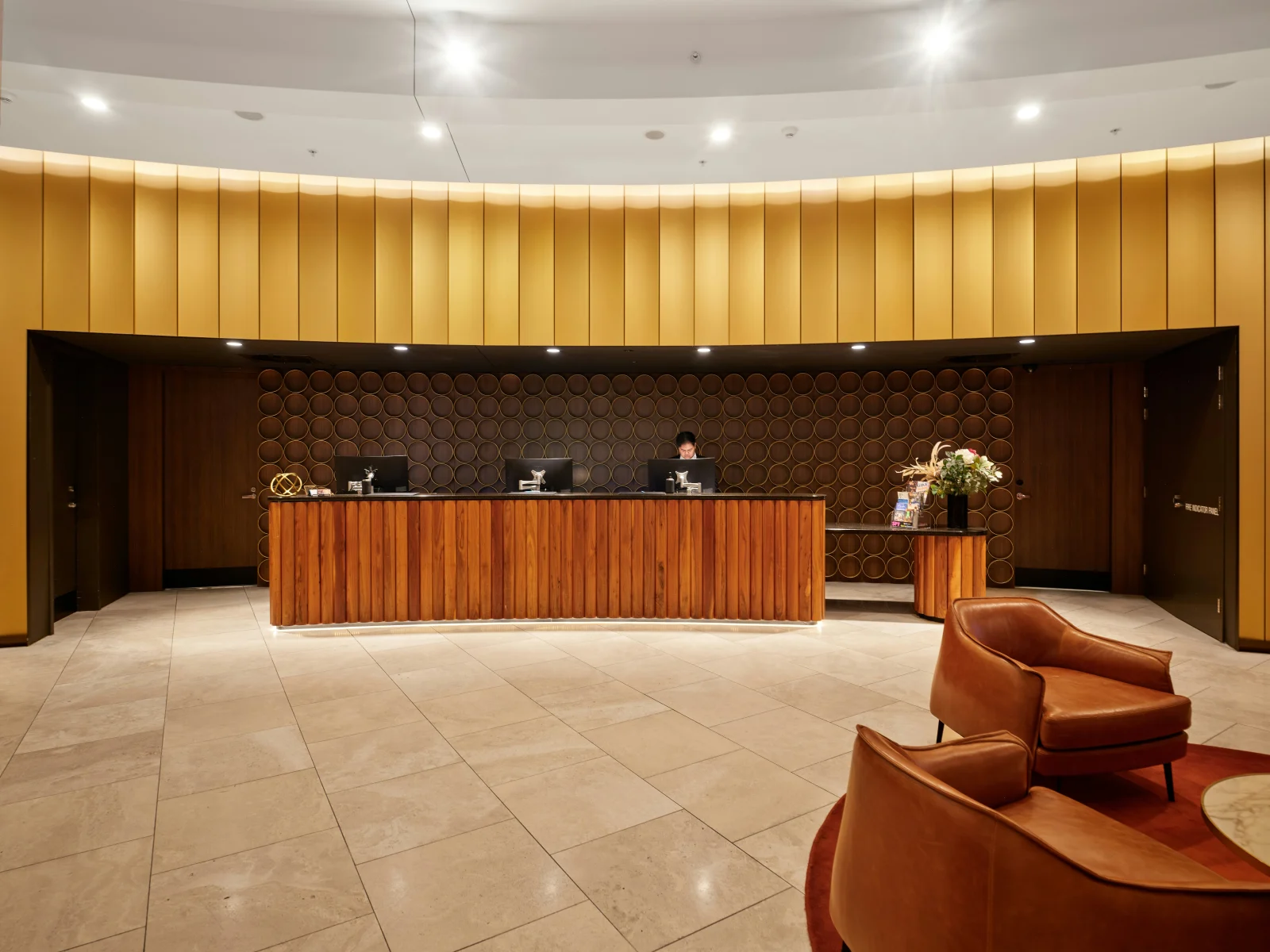
Operational recognition : Independent travelers don't want champagne in their room; they want a frictionless check-in, working Wi-Fi, and an invoice ready upon departure. Implement an "Independent" CRM tag that automatically triggers: room ready by 2 PM, invoice emailed on the morning of departure, and upgrades if available. Recognition is measured in time saved, not in gestures.
Included business services : Turn paid services into included benefits for independent travelers. Premium Wi-Fi, grab-and-go breakfast, late check-out until 2 PM, and 2 hours of meeting room access per stay. These services have low marginal costs but create strong differentiation against OTAs. A consultant who can make calls from their room without unstable 4G becomes a loyal guest.
Contractual flexibility : Independents have unpredictable schedules. Offer free cancellation until 6 PM on the day of arrival (vs. the standard 48 hours) and modifications at no extra cost. This flexibility reduces perceived risk and encourages direct booking: on Booking.com, they keep a backup option; with you, they know they can adjust.
Simplified points program : Forget complex tiers and unreadable conditions. One point per euro spent, 100 points = €10 off the next stay, usable immediately. No expiration, no blackout dates, no minimums. Simplicity generates more engagement than 5-tier programs that no one understands.
Building a loyalty program without TMC infrastructure
You don't need a TMC platform to build loyalty among independent travelers. A properly configured hotel CRM (Apaleo, Mews, or even a modern PMS) is enough. Create an "Independent Traveler" segment based on three criteria: direct booking, weekday stay, and an identifiable professional email address (no Gmail/Hotmail).
Automate three workflows: a post-stay welcome email (highlighting benefits and a link to their loyalty profile), a follow-up 30 days later if they haven't booked (a reactivation offer), and a quarterly reminder with their points balance. These three touchpoints are enough: independent travelers don't want a weekly newsletter, but rather useful messages at the right time.
Integrate stay data into your CRM to trigger sales actions. A consultant who has visited every Tuesday for 3 months should receive a monthly package offer (4 nights for the price of 3, guaranteed room). An entrepreneur who stays twice a quarter in different cities should be notified if you open a property along their usual route.
The necessary technology: a PMS with an API, an email marketing tool (Brevo, Mailchimp), and a spreadsheet for initial scoring. Budget: less than €200/month. The key isn't the tool, but the logic: identify, recognize, reward, and reactivate.
Measuring engagement: lifetime value and repeat purchase rate
Loyalty is measured by three KPIs: repeat purchase rate (% of independent clients who return within 12 months), average frequency (number of stays/year), and lifetime value (total revenue generated over 24 months). An effective program should achieve a 40% repeat rate at 12 months and 3.5 stays/year for active members.
Calculate the acquisition cost of an independent traveler (Google Ads + OTA commission on the first stay) and compare it to the revenue generated over 12 months. Assuming an acquisition cost of €60 and an average revenue of €180 per stay: if the client returns 3 times, you generate €540 for a €60 investment. The ROI of loyalty far exceeds that of continuous acquisition.
Set up a monthly dashboard: new independent travelers identified, program activation rate (sign-ups after the first stay), repeat purchase rate at 3/6/12 months, and average revenue per active profile. These metrics help identify priority levers: if the activation rate is low, improve post-stay communication; if the 3-month repeat rate drops, strengthen your follow-up.

Building a sustainable competitive advantage
Independent travelers represent a high-potential segment that is under-exploited by most hoteliers. Their loyalty relies on three pillars: operational recognition (business services included, flexibility), a simple and transparent program (points usable immediately), and intelligent automation (CRM + targeted workflows). Unlike large corporate accounts, they don't require complex rate negotiations, but rather a consistent experience that reduces their mental load.
Implementation does not require TMC infrastructure: a modern PMS, a basic CRM, and three automated workflows are enough. The key is the logic: identify independent travelers from their first stay, recognize them through differentiating services, measure their engagement (repeat rate, lifetime value), and continuously adjust your levers. A well-calibrated program achieves a 40% repeat rate at 12 months and generates a higher ROI than continuous acquisition via OTAs.
Differentiation is not built on price, but on reducing friction: fast check-in, high-performance Wi-Fi, and a ready-to-go invoice upon departure. These operational details create lasting preference and turn an occasional traveler into a repeat client. In a market where independent travelers actively compare options, the one who reduces their mental load wins their loyalty.

.svg)

.svg)
.svg)